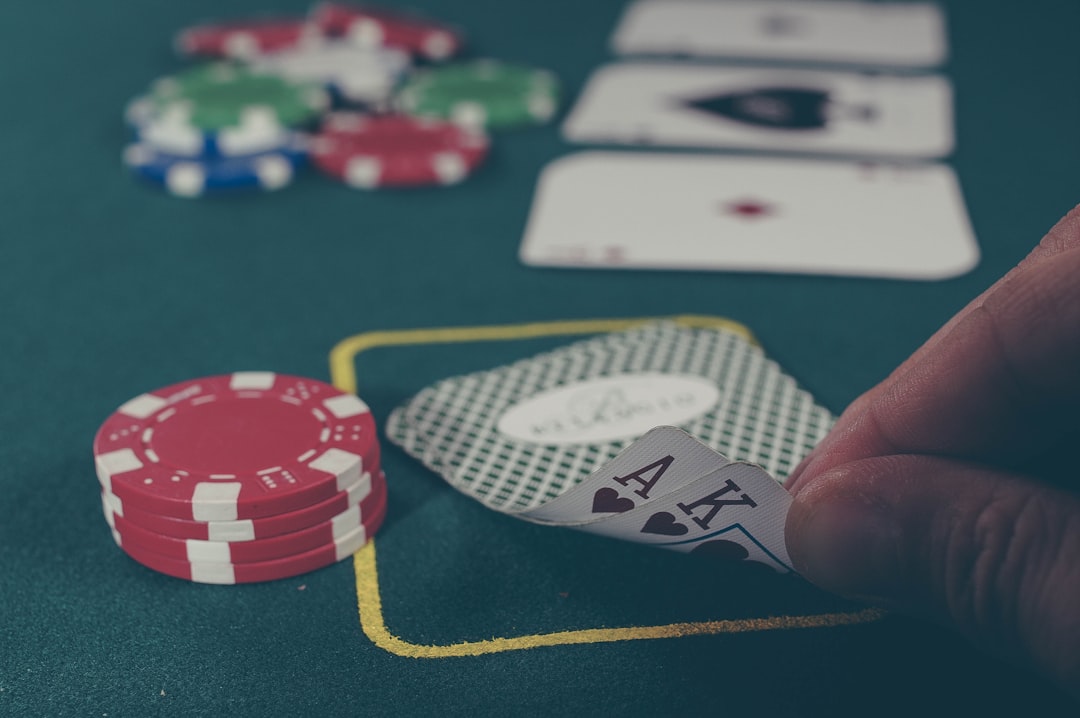
Aces and Faces is a video poker variant built around premium four-of-a-kind payouts for aces and face cards. It looks close to Jacks or Better when you first sit down, but the payout distribution changes enough to affect strategy, variance, and the value of specific pairs and trips. The game rewards players who understand that a pair of aces, kings, queens, or jacks can carry more upside than the same hand would on a flat-quad pay table.
The most important rule is the same one that applies across serious video poker: the game name is not enough. Casinos can offer different Aces and Faces schedules under the same graphics. A reduction in the full-house or flush payout can lower the total return substantially. Before making the first bet, identify the exact pay table and use a strategy chart designed for that schedule.
What Is Aces and Faces?
Aces and Faces uses a standard 52-card deck. You receive five cards, choose which to hold, and replace the rest. The final hand is paid according to the machine’s schedule. Unlike Jacks or Better, four of a kind is usually divided into multiple payout groups. Four aces often receive the highest premium, while four jacks, queens, or kings receive another bonus above ordinary quads.
Those enhanced payouts shift expected value toward premium high-rank pairs and trips. That does not mean every ace or face card should be kept. It means rank-specific quad value matters when comparing close holds.
Why Pay Table Selection Comes First
Two Aces and Faces machines can have the same title and still return different percentages because one pays more for a full house, flush, straight, or quads. Frequent hands matter enormously. A one-unit reduction on a flush can remove more long-run value than a flashy increase on a rare premium hand adds.
Check every line, not just the jackpot rows. If you do not know the exact schedule, you cannot know the exact RTP or the exact optimal strategy.
Aces Are the Premium Rank
Four aces are normally the most valuable non-royal quad category. That premium changes the expected value of a pair of aces and three aces. A pair of aces is already a made winner and also has unusually valuable improvement potential.
Do not dilute that upside by keeping unrelated kickers. If you hold two aces plus a king, the king looks attractive, but in most routine situations it reduces the number of replacement cards and lowers the chance of improving the pair.
Why Face Cards Matter
Jacks, queens, and kings receive bonus treatment when made into four of a kind. This makes their pairs and trips slightly more valuable than comparable ranks on ordinary Jacks or Better. The difference is especially relevant in close comparisons against four-card straights, flushes, or high-card combinations.
Use the exact chart rather than trying to estimate the quad bonus mentally during play.
Ordinary Quads
Fours of twos through tens generally receive the base four-of-a-kind payout. They remain strong hands, but they do not carry the same premium as aces and faces. This creates a three-tier quad structure: aces, face ranks, and ordinary ranks.
That structure is the defining identity of the game and the reason a standard Jacks or Better chart is not fully accurate.
Royal Flush and Max Coins
The royal flush usually remains the largest standard payout. Many machines provide a disproportionate royal bonus only when the maximum number of coins is wagered. If the royal pays 800-for-1 at five coins but only 250-for-1 at lower levels, the published return assumes you are receiving the max-coin bonus.
If five coins at the current denomination are too large for your bankroll, reduce the denomination instead of automatically giving up the royal value.
Four to a Royal
Four cards to a royal flush are among the strongest draws in the game. The enormous royal payout creates enough expected value to justify breaking many ordinary made hands. The draw can also finish as a straight, flush, or high pair depending on the replacement card.
Premium quads and straight flushes can outrank it, so follow the chart rather than a blanket rule.
High Pair Versus Four-Card Flush
Aces and face pairs are more valuable here than on many other schedules because of the quad bonuses. That means a high pair can be even more attractive relative to a four-card flush than a Jacks or Better player expects.
A common recreational error is breaking a pair of aces for a four-card flush because the flush draw looks exciting. The pair often has the better expected value, especially when premium quad payouts are strong.
Low Pair Versus High Cards
A low pair can improve to two pair, trips, a full house, or ordinary four of a kind. It frequently outranks combinations of unsuited high cards even though it is not yet a paying hand. Players who preserve every ace-king or king-queen combination often give away value when a low pair is present.
Video poker rewards expected value, not card prestige.
Three of a Kind
Trips should normally be held by themselves so you can draw two cards toward a full house or four of a kind. When the trips are aces or faces, the premium quad payout increases the value of this hold further.
Keeping an unrelated side card generally reduces the number of draw cards and lowers improvement probability.
Two Pair
Two pair is usually a stable made hand. On schedules where it pays 2-for-1, it helps reduce volatility compared with games that pay only 1-for-1. The normal play is to keep both pairs and draw one card for a full house.
Do not break two pair casually for a speculative royal or flush draw without checking the exact expected values.
Straight Flush Draws
Four-card straight-flush draws are powerful because they can finish as a straight flush, straight, or flush. Open-ended versions usually have more completion cards than inside versions. High-card content can add pair outcomes.
The exact ranking depends on the pay table and the ranks involved. A strategy trainer is the cleanest way to learn the distinctions.
Flush Draws
The payout on a made flush directly influences the value of four-card flush draws. If the casino cuts the flush payout, the draw becomes less valuable relative to pairs and other structures. That is why a chart for one pay table may not transfer perfectly to another.
Always match strategy to the schedule shown on the screen.
Open-Ended and Inside Straights
Open-ended straight draws have more ways to complete than most inside straight draws. Recreational players often chase any four connected cards without recognizing whether only one rank completes the straight.
High-card content, suited cards, and penalty cards can complicate the comparison. Learn the structure rather than memorizing one oversimplified rule.
Three-Card Royals
Three suited royal cards can be valuable lower in the hierarchy, especially when no pair or stronger draw exists. The exact ranks matter. Ace-king-queen suited is not identical to ten-jack-queen suited because the available straight and high-pair outcomes differ.
Strategy charts rank these combinations precisely so you do not need to guess.
Penalty Cards
A penalty card is a discarded card that removes a potential future straight, flush, or high-pair outcome. Two hands that appear similar can therefore have slightly different expected values. Advanced Aces and Faces strategy can include penalty-card exceptions.
Master the major decisions first. Add penalty-card refinements when you are consistently accurate on the core chart.
Why RTP Is Skill Dependent
The machine’s published theoretical return assumes near-perfect strategy. If you keep kickers, break premium pairs incorrectly, chase weak inside straights, or use a Jacks or Better chart, your personal expected return falls below the theoretical number.
Video poker RTP is a property of the pay table plus the decisions made by the player.
Variance and Premium Quads
Premium four-of-a-kind payouts make Aces and Faces more volatile than a flat-quad game. More of the total return arrives through relatively rare events. You can have long sessions with no premium quad and then see a large portion of a trip’s return arrive in one hand.
That is normal distribution behavior, not evidence that the machine is becoming hot or cold.
Bankroll Planning
Choose a denomination where a long stretch without premium quads does not create pressure to chase. A high theoretical return cannot protect you from variance. If losing 40 or 50 wagers changes your behavior, reduce the stake.
Bankroll management protects decision quality as much as it protects money.
Expected Loss and Coin-In
Suppose the machine has a 1% house edge under optimal play. If you generate $10,000 of coin-in, theoretical loss is about $100 before rewards. At 600 hands per hour and $5 per hand, you create $3,000 in hourly action.
Game speed therefore matters. A small edge multiplied by large volume still produces meaningful expected cost.
Why “Due” Quads Do Not Exist
Each hand is dealt from a fresh virtual deck under normal video poker design. A long drought without four aces does not make four aces more likely on the next hand. The same is true after a recent premium hit.
Do not increase denomination because you believe the machine owes you a quad. That is the gambler’s fallacy.
Comps and Loyalty Points
Casinos may award fewer loyalty points on video poker than on slots. Strong schedules can be excluded from point multipliers or promotional bonuses. Read the earning rules before assigning value to the rewards program.
A slightly weaker game with strong cashback can sometimes be competitive with a stronger game that earns nothing, but the comparison must be calculated.
Free Play and Promotions
Free play, cashback, tier multipliers, and mail offers can reduce effective cost. Value each benefit at what it is realistically worth to you, not at the casino’s marketing price. A room you would never buy at retail is not equivalent to cash.
Promotions can improve expected value, but they do not reduce the variance of the underlying game.
Progressive Aces and Faces
If a royal or premium quad is progressive, the game’s return rises as the meter grows. At a sufficiently high jackpot, the total expected value can theoretically exceed 100%. Strategy may also shift because the progressive hand becomes more valuable.
Use a calculator designed for the exact schedule and jackpot amount. Do not assume a large meter is automatically an advantage.
Common Mistakes
- Using Jacks or Better strategy without adjustment.
- Ignoring the premium value of ace and face quads.
- Holding unrelated kickers with premium pairs.
- Playing without checking the pay table.
- Betting fewer coins and losing the royal bonus.
- Chasing weak inside straights.
- Breaking premium high pairs for lower-value draws.
- Overbetting because the RTP looks strong.
- Assuming premium quads are due.
- Ignoring reduced point earning.
Aces and Faces Versus Bonus Poker
Both games reward rank-specific quads, but Aces and Faces places particular emphasis on aces and face-card quads. Bonus Poker commonly gives a separate premium to aces and to twos through fours. The strategic differences are not enormous on every hand, but they are large enough that separate charts should be used.
Choose based on the actual pay tables available and the variant you can play accurately.
Aces and Faces Versus Double Double Bonus
Double Double Bonus adds major kicker bonuses and usually has substantially higher variance. Aces and Faces offers premium quad excitement without as many kicker-specific exceptions. That can make it easier for intermediate players to learn.
If you want smoother play, Aces and Faces may be easier to tolerate than the most volatile bonus families.
Practice Plan
Use a trainer set to the exact Aces and Faces schedule. Focus on premium pair decisions, four-card flush comparisons, three-card royals, straight-flush draws, and low-pair versus high-card situations. Record every repeated mistake and drill that hand family.
The goal is not memorizing isolated examples. It is learning the hierarchy well enough to recognize patterns quickly.
Session Planning
Set a maximum loss, time limit, and denomination before play begins. Do not change the plan because you missed several premium draws. If you want to increase stakes, make that decision before the session when you are not reacting to a loss.
Process discipline is one of the few casino variables you fully control.
Machine Selection Checklist
- Confirm the exact Aces and Faces pay table.
- Check ace, face-card, and ordinary quad payouts.
- Review full house and flush values.
- Verify the max-coin royal bonus.
- Use a matching strategy chart.
- Check points and promotion eligibility.
- Compare the machine with nearby Bonus Poker and Jacks or Better schedules.
Can Aces and Faces Be Positive EV?
The base game is usually negative expectation unless you find an unusually strong schedule. Promotions, progressive jackpots, cashback, or point multipliers can sometimes push the total package above 100%. The calculation must include every term and realistic value.
A positive theoretical edge still does not guarantee a winning session. Variance remains.
Final Takeaway
Aces and Faces rewards players who understand the extra value hidden inside premium ranks. A pair of aces or face cards is not just a made hand; it also carries enhanced four-of-a-kind upside. That changes the strategy enough to justify learning a dedicated chart.
Check the schedule, protect the max-coin royal value, respect premium-quad variance, and use bankroll limits that keep your decisions stable. The best players do not guess when four aces are coming. They make the highest-value hold on every hand and let the long-run math take care of the rest.
For more on evaluating pay tables, read the SCQ guide to full-pay and short-pay video poker.

Leave a Reply