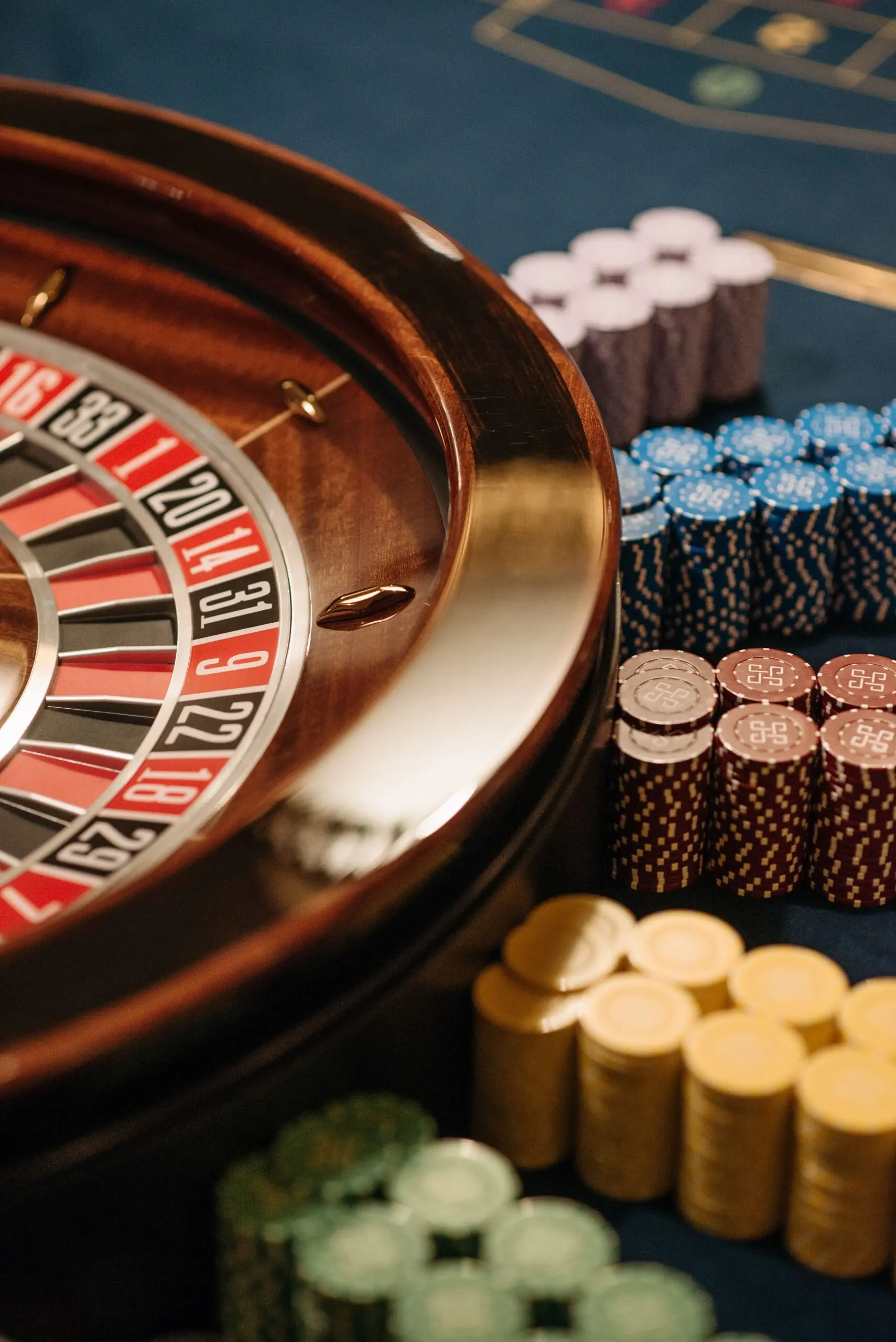
Roulette looks simple because every spin ends with one number. The wheel turns, the ball lands, and the casino pays the winning bets. But the difference between a good roulette game and a bad roulette game can be enormous, and most of that difference comes from one detail: how many zeroes are on the wheel.
A European single-zero wheel has 37 pockets: numbers 1 through 36 plus 0. A standard American double-zero wheel has 38 pockets: 1 through 36, 0, and 00. Triple-zero roulette adds another house number and usually has 39 pockets. That extra green pocket may look like a small design change, but it raises the casino’s mathematical advantage substantially.
This guide explains roulette odds, house edge, inside bets, outside bets, single-zero vs double-zero vs triple-zero wheels, bankroll, expected loss, betting systems, wheel selection, and why no progression system can erase the underlying probability.
How Roulette Probability Works
On a fair roulette wheel, each pocket is one possible outcome. The probability of one specific number is therefore one divided by the number of pockets.
On European roulette, a straight-up number has a 1-in-37 probability, or about 2.70%. On American double-zero roulette, it is 1 in 38, about 2.63%. On triple-zero roulette, it is 1 in 39, about 2.56%.
The payout for a straight-up number is generally 35 to 1. That payout is lower than the true odds required for a fair game, and the difference creates the house edge.
European Single-Zero Roulette House Edge
A standard single-zero European wheel has a basic house edge of about 2.70% on most wagers.
If you could make a perfectly fair even-money bet on 18 of 36 numbers, you would expect a 50/50 game. The zero creates a 37th outcome. When zero appears, ordinary red/black, odd/even, and high/low bets lose under standard rules. That green pocket is the source of the edge.
American Double-Zero Roulette House Edge
American roulette adds 00, creating 38 pockets. Most standard bets then carry a house edge of about 5.26%.
This is nearly double the basic edge of single-zero roulette. A player making the same average bet for the same number of spins is giving the casino much more theoretical value simply because one additional green pocket exists.
Triple-Zero Roulette House Edge
Triple-zero roulette usually contains 0, 00, and 000, creating 39 pockets. On common standard payouts, the house edge rises to roughly 7.69%.
That is a major increase. A player may see the same red and black layout, the same 35-to-1 payout on numbers, and the same chips, but the mathematics are materially worse.
Why Wheel Selection Matters More Than Betting System
If you can choose between single-zero and triple-zero roulette at similar minimums, the single-zero game is usually the stronger mathematical choice.
No betting progression can compensate for voluntarily choosing a wheel with a much larger house edge. Game selection comes before staking strategy.
Straight-Up Number Bet
A straight-up bet covers one number and usually pays 35 to 1. The chance of winning depends on the wheel:
- Single zero: 1/37.
- Double zero: 1/38.
- Triple zero: 1/39.
The payout remains essentially the same while the chance gets worse as zeroes are added.
Split Bets
A split covers two adjacent numbers and typically pays 17 to 1. The house edge remains tied to the wheel configuration because the payout schedule scales with the number of covered numbers but does not compensate for the green pockets.
Street Bets
A street covers three numbers in one horizontal row and generally pays 11 to 1. Again, the visual chance of hitting more numbers does not reduce the underlying edge.
Corner Bets
A corner bet covers four touching numbers and usually pays 8 to 1. It wins more often than a straight-up number but pays less. Risk profile changes; the house advantage generally does not.
Six-Line Bets
A six-line wager covers two adjacent streets, or six numbers, and commonly pays 5 to 1. It provides more frequent wins than a straight-up wager but smaller payouts.
Dozens and Columns
Dozen bets cover 12 numbers, such as 1 through 12. Column bets cover one of the three vertical columns. They generally pay 2 to 1.
On a single-zero wheel, 12 of 37 outcomes win. On double zero, 12 of 38 win. The zeroes are again what create the edge.
Red or Black
Red/black is one of the most popular roulette bets because it feels close to 50/50. On a European wheel, there are 18 red, 18 black, and one green zero. On a double-zero wheel, there are 18 red, 18 black, and two green pockets.
The bet is not a coin flip.
Odd or Even
Odd/even has the same basic mathematical structure as red/black. Zero and double zero are neither ordinary odd nor even numbers for standard payout purposes, so they create the house advantage.
High or Low
Low typically means 1 through 18; high means 19 through 36. The green pockets sit outside both groups.
This is another even-money wager with the same standard house edge for the given wheel.
Are Outside Bets Safer?
Outside bets win more often than straight-up numbers, so they usually create smaller short-term swings. But “safer” does not mean lower house edge under standard rules.
A red/black bet and a straight-up number can have the same mathematical edge even though their volatility is very different.
Roulette Volatility
Bet selection changes variance. Straight numbers hit rarely and pay large multiples. Even-money bets hit frequently and pay 1 to 1.
This matters for bankroll. A player making 100 straight-number bets can experience long losing streaks. A player betting red/black may survive longer, but the casino edge still works against total action.
Expected Loss in Roulette
Expected loss is approximately total amount wagered multiplied by house edge.
If you generate $10,000 in total wagers on a European single-zero game at a 2.70% edge, theoretical loss is about $270. On double-zero roulette at 5.26%, it is about $526. On triple-zero roulette at 7.69%, it is about $769.
Actual results can be dramatically different, but the long-run cost difference is clear.
Why Total Action Matters
A $100 bankroll can create much more than $100 in total wagers because wins are recycled. A player betting $10 repeatedly may generate thousands in action during a session.
This is why focusing only on the amount you brought to the casino can hide the real cost of the game.
What Is La Partage?
Some European roulette games offer a rule known as La Partage. When zero appears on an even-money wager, the player loses only half the bet instead of the entire amount.
This can reduce the house edge on qualifying even-money bets to roughly 1.35%, making it much more favorable than ordinary American roulette.
What Is En Prison?
En Prison is another European rule. When zero appears on an even-money bet, the wager may be held “in prison” for the next spin rather than immediately lost under the standard structure. Specific procedures vary.
Rules like La Partage and En Prison are exactly why serious players should examine the game, not just the casino name.
Why Triple-Zero Roulette Exists
From the casino’s perspective, adding another zero increases expected revenue if players continue accepting the game. From the player’s perspective, the same familiar wager becomes more expensive mathematically.
Triple-zero wheels can still attract play because of low minimums, convenient locations, electronic formats, or player unfamiliarity.
Should You Play Triple-Zero Roulette?
If a comparable single-zero or double-zero game is available at a bet size you can afford, triple-zero is generally the weaker mathematical choice.
The only reason to prefer it would be some outside factor strong enough to offset the higher house edge, such as an unusually valuable promotion or a much lower minimum that changes your dollar exposure. Even then, calculate carefully.
The Martingale System
Martingale tells the player to double an even-money bet after each loss so that a future win recovers previous losses plus one unit.
The problem is that losing streaks happen. Bet size grows exponentially. Table limits and bankroll limits eventually stop the progression.
Martingale changes the distribution of wins and losses; it does not remove the house edge.
Fibonacci, Labouchere, D’Alembert, and Other Progressions
All betting progressions face the same core problem: changing bet size does not change the probability of the next independent spin.
A system can produce many small winning sessions and occasional large losses. That emotional profile can make the method feel effective until a severe sequence occurs.
Can You Track Hot and Cold Numbers?
Roulette screens often display recent outcomes. This information is entertaining but should not be treated as proof that a number is due or that a color is more likely on the next spin.
On a properly functioning wheel, prior outcomes do not force the next result.
Gambler’s Fallacy
If black appears ten times in a row, red is not automatically more likely on spin eleven. The wheel does not need to “balance” the sequence immediately.
Long streaks are surprising but completely possible in random processes.
Can Physical Wheel Bias Exist?
Historically, mechanical imperfections could create biased wheels. Modern regulated casinos maintain and monitor equipment, making exploitable physical bias much harder to find.
Do not confuse normal random clusters with evidence of a biased wheel.
Dealer Signature and Sector Betting
Some advantage-play literature discusses dealer signatures or predictable release patterns. In modern professional casinos, reliably exploiting such patterns is difficult and requires strong evidence rather than intuition.
A few clustered outcomes are not enough to establish an edge.
Electronic Roulette
Electronic roulette can use a physical automated wheel, a live feed, or a random-number-generator version depending on the product and jurisdiction. The interface may allow faster betting than a traditional table.
Faster speed increases total wagers per hour, which can increase expected dollar loss even if the house edge is identical.
Online Roulette
Regulated online casinos may offer several roulette formats, sometimes including single-zero European games with lower minimums than physical casinos.
This can improve game selection, but the convenience of rapid play can increase volume. Compare both edge and speed.
Live Dealer Roulette
Live dealer games can provide a slower, more social online experience. Check whether the wheel is single, double, or triple zero and whether special rules apply.
Roulette Comps
Casinos rate table play using average bet, time, and a theoretical edge assumption. Roulette can generate meaningful comps because the standard house edge is higher than certain other table games.
Do not chase comps by playing a worse wheel. A free dinner rarely compensates for voluntarily doubling the house edge.
Roulette Bankroll Management
Set a fixed session loss limit and choose a unit size that allows enough bets for the type of variance you want.
If you have a $500 bankroll and make $100 straight-up bets, you have only five raw units. That is a very different risk profile from $5 outside bets.
Inside vs Outside Betting
Inside bets create larger variance and bigger individual payouts. Outside bets create more frequent wins and smaller swings. Neither category is inherently better in expected-value terms under standard rules.
Choose based on entertainment preference and bankroll, not the belief that one category beats the casino.
Best Roulette Game to Look For
All else equal, prioritize:
- Single-zero European roulette.
- La Partage or En Prison on even-money bets.
- Reasonable table minimums.
- A pace that fits your bankroll.
Avoid paying a larger mathematical price for an extra zero when a better wheel is available nearby.
Roulette vs Blackjack
Blackjack played with strong rules and correct basic strategy can have a much lower house edge than roulette. But blackjack requires decisions; roulette does not.
If your only goal is minimizing mathematical disadvantage, roulette is usually not the first game to choose compared with strong blackjack or baccarat base bets.
Roulette vs Baccarat
Standard Banker and Player baccarat bets generally have lower house edges than double-zero roulette. Baccarat can therefore be a better mathematical choice for players comfortable with the game.
Can Promotions Make Roulette Positive EV?
Occasionally, a sufficiently strong match-play coupon, loss rebate, or targeted promotion can improve expected value enough to change the equation. You must calculate the terms precisely.
Do not assume every match play creates positive EV.
Final Takeaway
The most important roulette strategy is not a progression system. It is wheel selection.
Single-zero roulette has a basic house edge of about 2.70%. Double-zero American roulette is about 5.26%. Triple-zero roulette is roughly 7.69% under common payouts. That difference can cost hundreds of additional dollars across the same total wagering volume.
Choose fewer zeroes, understand expected loss, control total action, and ignore systems that claim to make independent spins predictable. Roulette can be entertaining, but the math should always be visible.

Leave a Reply