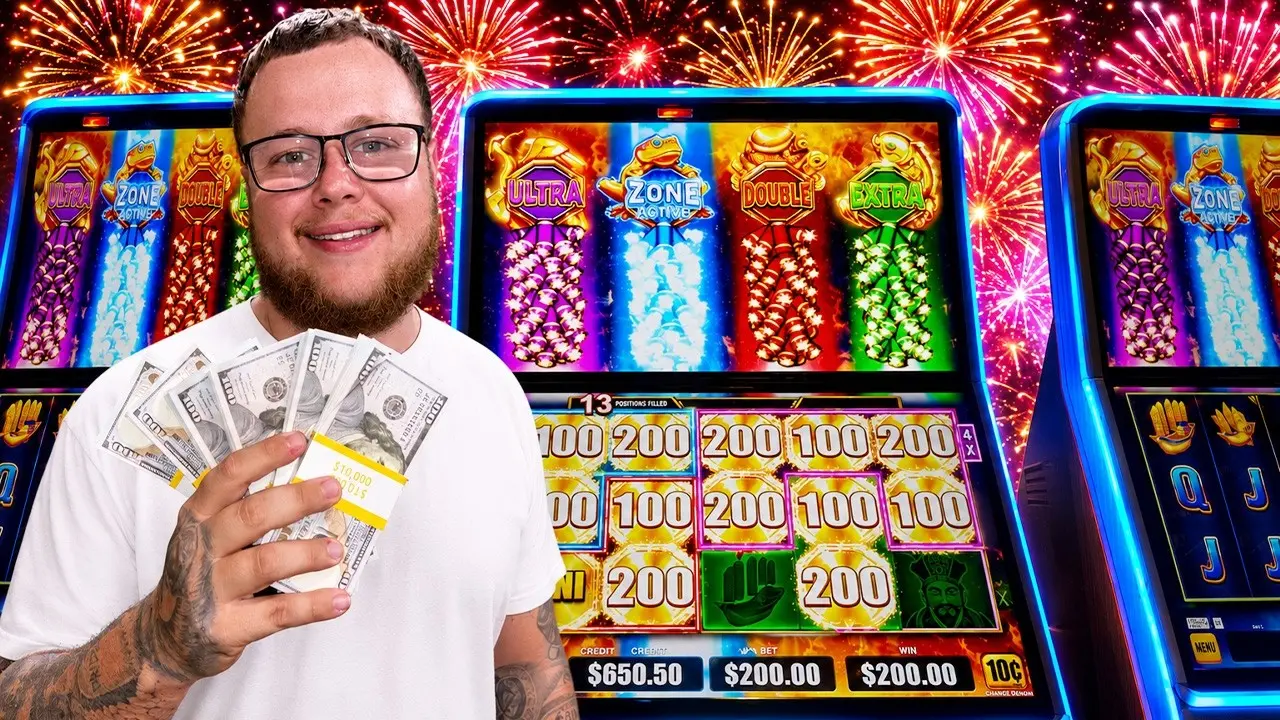
Editorial note: This article examines public allegations involving YouTube slot creator Alligator Capone. In July 2026, Mr. Hand Pay accused Alligator Capone, Max Bet Omar and Spin Jim of using demo-mode or otherwise nonstandard slot setups while presenting content that critics believed looked like real-money casino play. Those accusations are not a court judgment, regulatory finding or admission by Alligator Capone. SCQ distinguishes allegations from documented facts and creator commentary.
The Alligator Capone demo-mode controversy became part of a much larger crisis of trust on gambling YouTube in 2026. The allegation was not simply that a creator edited a video heavily or exaggerated a thumbnail. Critics claimed something more fundamental: that viewers may have been watching gameplay under conditions materially different from the real-money risk they thought they were seeing.
That matters because Alligator Capone’s channel was built around slot action, jackpots, high-limit rooms, bankroll swings and the emotional experience of chasing a win. When the money itself becomes uncertain, the audience is forced to reconsider the meaning of the entire format.
Who Is Alligator Capone?
Alligator Capone is a long-running YouTube creator whose channel developed into a mix of casino slot content, adventures and personality-driven videos. Public channel trackers listed the channel at roughly 40,000 subscribers in 2026, with hundreds of uploads and millions of views.
His gambling videos frequently used titles built around high-limit rooms, jackpots, chasing big wins, large bankrolls and dramatic casino sessions. A July 2026 upload described slots as “so hot” that they would not stop paying. An August video announced that he was back playing slots and happier than ever, with a description about taking a bankroll into the high-limit room and chasing big wins.
That established a simple audience expectation: the channel was showing real casino gambling experiences, not merely simulations.
What Did Mr. Hand Pay Allege?
In July 2026, Mr. Hand Pay published a video accusing Max Bet Omar, Alligator Capone and Spin Jim of using demo-mode slot machines or filming in circumstances that critics believed made non-cash play look like authentic casino wagering.
SlotExpert later summarized the allegations and included screenshots, commentary and a generic example of demo mode. The article said Mr. Hand Pay believed the creators were using slots in demo mode while filming outside ordinary casino conditions.
SlotExpert also argued that the accused creators’ videos lacked some of the environmental details common in public casino footage: nearby patrons, servers, attendants, ambient interactions and the visible interruption of handpay procedures.
Those are allegations and observations, not official findings. A tight camera angle can have innocent explanations. Audio can be removed for copyright reasons. Attendant interactions can be edited out because they are slow. A private venue is not automatically a fake venue.
Why Demo Mode Would Matter
A demonstration-mode slot can reproduce the visual experience of gambling without the same cash risk. The reels spin. Bonuses trigger. Jackpots display. Credits rise and fall. To a viewer watching a cropped screen, the experience can look indistinguishable from a normal wager.
That is why disclosure is everything. Demo gameplay is perfectly legitimate for game reviews, trade-show previews and educational content. The issue is whether the audience knows it is a demo.
If a creator appears to risk $500 per spin but the displayed credits have no cash value, the emotional premise is different. The viewer is reacting to the idea of financial exposure that may not exist.
What Evidence Did Critics Point To?
Critics cited multiple patterns across the group of creators named by Mr. Hand Pay. They discussed suspected demo-mode markings, logos or overlays near screen areas where diagnostic information could appear, isolated gameplay shots, missing public-casino context and wager sizes that they claimed did not match certain properties.
For Alligator Capone specifically, SlotExpert said he responded to accusations with a video showing bricks of cash and later removed that video. The site mocked the display and suggested the cash might not prove anything.
SCQ cannot independently verify from that description whether every bill shown was genuine or what the creator intended the image to establish. A stack of cash is not proof that a particular slot session was real, but neither is skepticism about the cash proof that it was fake.
The central evidence question remains the machine and the session itself.
The Importance of Continuous Casino Context
Experienced slot viewers often look for continuity. A genuine public-casino session can naturally capture carpet, neighboring machines, patrons, cocktail servers, security announcements, attendants and other environmental details.
But creators often remove that context intentionally. Casinos may prohibit filming other patrons. Copyrighted background music can trigger claims. Some creators use directional microphones and aggressive noise reduction. A vertical or mobile-first edit may focus almost entirely on the game screen.
Therefore, missing ambient casino detail is a reason to ask questions, not a reason to declare fraud.
Stronger evidence would include a visible demo label, a confirmed private machine running non-cash software, admission by the creator, manufacturer data or verified footage showing a mismatch between the claimed location and the actual setup.
Why Alligator Capone’s Relationship With Max Bet Omar Drew Attention
Max Bet Omar and Alligator Capone appeared in each other’s public ecosystem, with channel descriptions cross-promoting one another. That made viewers examine the creators together once the allegations appeared.
Association alone proves nothing. Friends and collaborators can use completely different production methods. But when critics claim to see similar editing patterns and both channels escalate high-limit content, audiences naturally compare them.
This is another reason creators should avoid vague disclosure. A clear statement about funding and location prevents a collaborator’s controversy from automatically contaminating everyone around them.
The “I’m Sorry I Let You Down” Video
Channel trackers later listed a short Alligator Capone video titled I’m Sorry I Let You Down, which attracted significantly more attention than many routine slot uploads. The title became part of the public discussion because viewers interpreted it through the existing controversy.
A title alone does not tell us what the creator admitted, denied or apologized for. It would be irresponsible to transform an emotional title into a confession without reviewing the full context.
What the title does show is that audience trust had become a central issue on the channel. Whether the apology concerned the demo-mode allegations specifically or broader creator decisions, viewers were watching for accountability.
Alligator Capone Returned to Public Casino Slot Content
By late July and August 2026, Alligator Capone was publicly uploading casino slot videos again. One July 25 upload said it was filmed at Seminole Hard Rock in Tampa and showed casino slot play. An August 1 upload described a bankroll trip to the high-limit room.
This later content matters because it provides a chance to evaluate the channel under greater scrutiny. After an authenticity controversy, creators can rebuild trust by making location and funding clearer than before.
Public casino settings, wider shots and consistent disclosures do not retroactively resolve every historical question, but they can establish a stronger standard going forward.
Did Alligator Capone Admit Using Demo Mode?
SCQ has not identified a verified public statement in which Alligator Capone plainly says that he used demo mode and intentionally presented it as personal cash gambling.
That distinction is important. Online commenters often treat changes in videos, apologies or content removal as indirect admissions. They are interpretations.
A creator can apologize for poor disclosure without admitting fake wagering. A creator can remove a controversial video because of legal advice. A creator can return to lower stakes because the previous stakes were financially unsustainable.
Until a primary source says otherwise, the core demo-mode allegation should remain described as an allegation.
Why Critics Focused on the Money
Gambling credibility is unusually tied to funding. If someone claims to risk $20,000 on slots, viewers assume the downside belongs to that person unless told otherwise.
But creator economics can be complex. A bankroll can include personal funds, casino free play, shared action, sponsored money, reimbursed losses or private demonstration credits.
Showing cash before a session does not automatically prove the credits on a later machine came from that cash. The strongest proof is continuity: funding source, insertion, wager and payout.
This standard should apply to every creator, not only Alligator Capone.
Could Alligator Capone Have Used a Private Machine Legally?
The legality of owning or operating a slot machine depends on jurisdiction, machine age, licensing and use. Because the controversy involved creators in Florida and private settings, some commenters speculated about legal issues. SCQ does not adopt those comments as conclusions.
Whether a private cabinet is legal is a separate question from whether a YouTube video is transparent. A legally possessed demonstration machine can still produce misleading content if it is intentionally presented as casino cash play. An illegally possessed machine would raise a different issue entirely.
Without verified regulatory information tied to a specific cabinet, speculation about possession law should not be used as evidence of the content allegation.
Why Casino Jackpot Procedures Became a Clue
Viewers familiar with slot play know that large jackpots often interrupt gameplay. Depending on jurisdiction, payout amount and casino systems, attendants may verify the win, collect identification, prepare tax forms or process payment.
Critics said some disputed creator footage did not show the expected interruptions after huge wins. That raised questions for people accustomed to handpay procedures.
But this evidence has limits. Thresholds changed in the United States in 2026. Some casinos use fast-pay or digital systems. Creators can cut long waits from videos. A handpay can occur off camera.
The absence of an attendant is not proof of a demo. It becomes more relevant only when combined with other verified anomalies.
The Danger of Confirmation Bias
Once an audience believes a creator is faking content, every detail can become suspicious. A jump cut becomes a cover-up. A close shot becomes concealment. A calm reaction becomes evidence that no money was at risk.
That reasoning can become circular. Real creators also use jump cuts, close shots and controlled reactions.
SCQ’s standard is to separate observable facts from interpretation. “The video cuts here” is a fact. “The cut was inserted to hide a demo label” is a theory unless additional evidence supports it.
This matters because accusations of fraud are serious. Strong criticism requires strong sourcing.
The Opposite Bias Also Exists
Fans can make the reverse mistake. Loyalty can cause viewers to dismiss every concern as jealousy or drama.
Creators are businesses. High-limit videos generate attention. Attention generates advertising revenue, sponsorship leverage, memberships, merchandise sales and brand value. There is a real incentive to make gambling look more spectacular.
That does not mean a creator cheats. It means skepticism is healthy when claims become extraordinary.
What Would Resolve the Alligator Capone Questions?
A clear, detailed response could answer most of the controversy. The creator could identify which disputed videos were filmed in public casinos, which were filmed in private venues, whether any used demonstration software and who funded the bankroll.
He could also show one or more unedited sessions with continuous casino context. Again, nobody needs private tax returns. Viewers only need enough information to verify the basic premise.
If a disputed video did use demo mode, the most credible approach would be direct disclosure rather than euphemistic language.
What Alligator Capone’s Current Videos Can Do Differently
The creator can rebuild trust by making the new standard obvious:
- show the casino property or identifiable floor context;
- state whether the bankroll is personal cash, free play or shared action;
- avoid placing overlays over diagnostic areas without explanation;
- keep at least part of large handpay procedures in the edit;
- label private-machine footage clearly;
- use a visible “DEMO” marker if no real money is involved.
These practices would not make the videos less entertaining. They would make criticism easier to evaluate.
The Responsible-Gambling Dimension
Alligator Capone’s content, like other slot channels, uses the language of jackpots and chasing. That is normal for the genre. But viewers should remember that “chasing” is not a mathematical strategy.
A slot does not become due because the player has lost repeatedly. Jackpots do not owe the bankroll a recovery. Increasing bets after losses raises exposure; it does not force the game to repay prior wagers.
If creators use demo or subsidized balances, the gap between visible chasing and real financial consequences can become wider. This is another reason funding disclosure matters.
Why the Controversy Matters Even If Fans Keep Watching
An audience can decide that authenticity is irrelevant and still enjoy the personality. That is their choice. But the choice should be informed.
If fans know the content is a demonstration and watch anyway, no trust problem exists. If fans believe a creator personally risked thousands of dollars when no cash was at risk, the entertainment premise is different.
Transparent creators let the audience decide.
SCQ Assessment: What Is Documented?
Alligator Capone maintained an active YouTube channel with high-limit slot content. Mr. Hand Pay publicly accused Alligator Capone and other creators of demo-mode or fake-money presentations in 2026. SlotExpert summarized those allegations. Channel trackers listed the I’m Sorry I Let You Down upload and later casino-focused videos. Alligator Capone continued publishing slot content after the controversy.
What Is Alleged?
Critics allege that some older slot sessions involved demonstration-mode machines or conditions materially different from ordinary real-money casino play. They also allege that production choices obscured clues about the environment.
Those claims should remain attributed unless supported by stronger primary evidence.
What Remains Unproven?
SCQ has not located a public court ruling, gaming-regulator finding or verified creator admission establishing that Alligator Capone intentionally committed fraud by presenting demo credits as personal cash gambling.
We also cannot establish from public sources the precise funding structure of every disputed session.
Final Word
The Alligator Capone controversy should not be reduced to “fake” versus “real” in a headline. The useful question is what the audience was told and what can be verified.
Demo mode is legitimate technology. Private gaming rooms are legitimate production spaces in many contexts. Sponsored gambling can be legitimate. Real cash gambling can obviously be legitimate. The problem is ambiguity when the money is the reason viewers are watching.
Alligator Capone’s later return to casino slot content gives the channel an opportunity to establish a clearer standard. If the money is real, show enough continuity that viewers understand the risk. If the money is promotional, disclose it. If a private machine is used, say so. If no cash value exists, label the footage as demo play.
The allegations made in 2026 deserve scrutiny, but scrutiny is not the same as conviction. SCQ will continue to separate evidence from internet certainty.

Leave a Reply