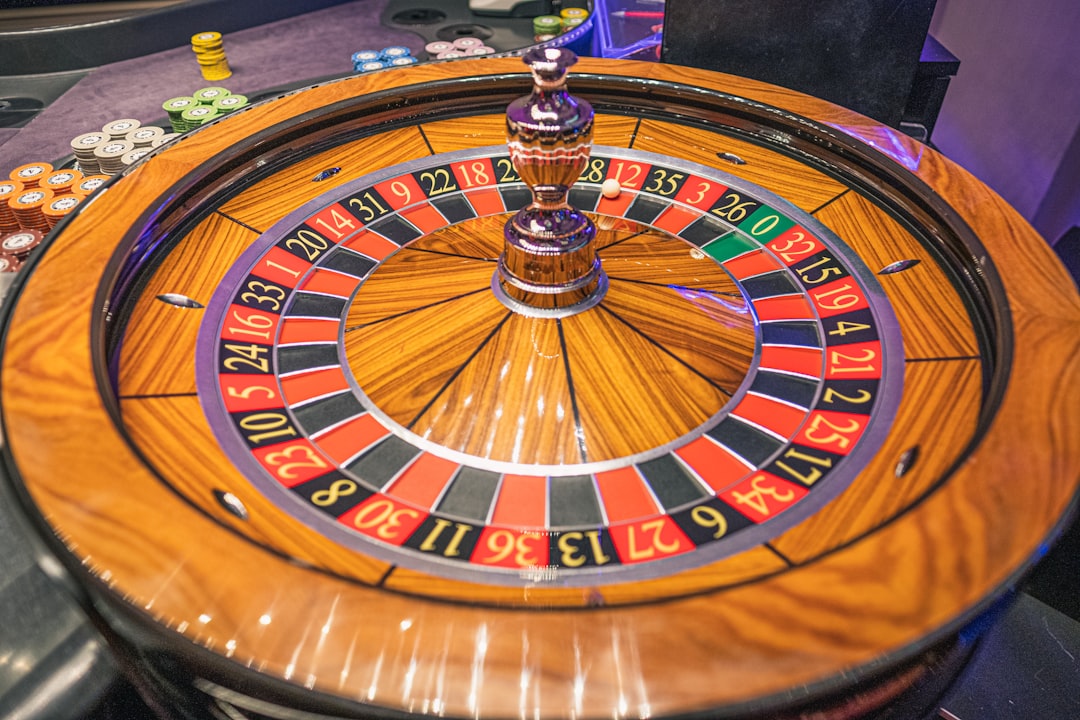
Roulette bankroll management cannot change the house edge, but it can determine whether a session stays controlled or turns into uncontrolled chasing. A bankroll plan defines how much money is available, how large each unit will be, when the session ends, and which behaviors are prohibited.
Separate Gambling Money From Essential Money
A roulette bankroll should consist only of discretionary money that can be lost without affecting housing, food, transportation, medical care, childcare, debt payments, taxes, or emergency savings. If losing the session bankroll would create a financial problem, the bankroll is too large.
Define the Session Bankroll
Do not bring an undefined portion of your total funds to the table. Set a specific session amount. Once that amount is lost, the session is over. Access to an ATM, credit line, or instant deposit should not be treated as additional bankroll.
Choose a Fixed Unit Size
A conservative unit might be 1% to 2% of the session bankroll for even-money bets. Higher-volatility inside bets may require smaller units because losing streaks are longer. These percentages are risk-control examples, not profit guarantees.
With a $500 session bankroll, a 1% unit is $5. A player making $25 bets is risking 5% per spin and can lose the full bankroll in only 20 consecutive losses.
Use Flat Betting
Flat betting means keeping the base wager constant instead of doubling after losses or pressing automatically after wins. It makes total action easier to understand and prevents exponential bet growth.
You may adjust a unit between sessions as bankroll and table limits change, but emotional changes during a losing run defeat the purpose of a plan.
Set a Stop-Loss
A stop-loss is the maximum amount you are willing to lose in one session. It does not make the game profitable. It creates a boundary that prevents a normal loss from becoming an uncontrolled one.
Write the limit down before playing. Do not move it because a favorite number feels due or because one more spin could recover the session.
Set a Time Limit
Expected loss is connected to total action. Faster play and longer sessions produce more wagers. A one-hour limit may do more to control exposure than a complicated betting system.
Live electronic roulette and auto-roulette can generate far more decisions per hour than a crowded dealer table. Consider pace when planning a session.
What About Win Goals?
A win goal can help a player leave while ahead, but it does not alter expected value. Avoid treating the goal as money the casino owes you. If the table is no longer enjoyable or your concentration drops, end the session regardless of result.
Track Total Action
Session profit and loss is not the only useful number. Record spins, average bet, game type, and total action. Multiplying total action by house edge gives theoretical loss.
For example, 100 spins at $10 creates $1,000 in action. At 2.70%, theoretical loss is about $27. At 5.26%, it is about $52.60. Actual results may be much higher or lower.
Plan for Variance
Even-money bets can lose many times in a row. Single-number bets can miss for dozens or hundreds of spins. A bankroll should be designed around the actual volatility of the wager, not the average result you hope to see.
A Simple Session Checklist
- Single-zero wheel selected;
- Session bankroll separated;
- Unit size fixed;
- Maximum loss written down;
- Maximum time established;
- No borrowing or reloading;
- No automatic bet increases;
- Results recorded after the session.
Common Bankroll Mistakes
Frequent mistakes include counting free play at full cash value, bringing multiple bank cards, changing the stop-loss after a losing streak, confusing casino comps with profit, and using a progression that can exceed the table maximum.
Frequently Asked Questions
How many units should a roulette bankroll contain?
There is no risk-free number. More units reduce the chance of immediate ruin at a fixed bet size but also permit more total action. Match units to volatility and a hard spending limit.
Does a stop-loss improve roulette odds?
No. It limits session damage; it does not change wheel probabilities.
Should winnings be pressed?
Pressing increases volatility. If used at all, define exact limits before play rather than making emotional decisions.
Before choosing a progression, read our Martingale roulette analysis.
Responsible Play
Roulette is a negative-expectation casino game. Use only discretionary money, set time and loss limits before playing, and never chase losses. If gambling stops feeling controlled, visit the SCQ Responsible Gambling page for support resources.

Leave a Reply