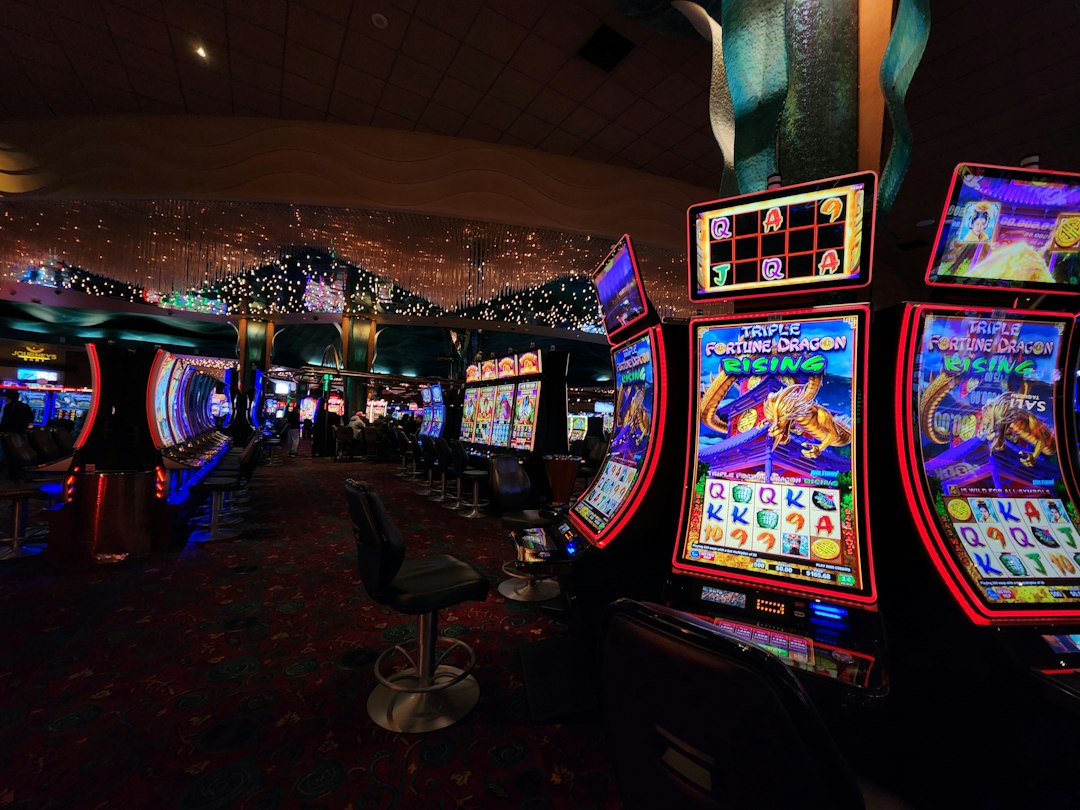
Players often notice that a favorite slot game disappears from a casino or that dozens of new titles suddenly appear in the lobby. The change can feel random, but online and land-based casinos manage slot catalogs for many reasons: licensing agreements, software-provider contracts, regional regulation, game performance, technical compatibility, responsible-gambling rules, player demand, marketing campaigns, and the casino’s own economics. A slot title can be available for years and vanish overnight, while another may launch across multiple operators at the same time. Understanding why casinos add and remove slot games helps players avoid assuming that every catalog change is about payout manipulation. It also helps strategy-focused readers evaluate RTP, volatility, game versions, and promotional eligibility more carefully.
Software Provider Agreements Drive Much of the Slot Catalog
Online casinos rarely build every slot in-house. They license content from software providers, aggregators, or distribution platforms. Those commercial agreements determine which games can be offered, in which jurisdictions, on what technical platform, and sometimes under what revenue-sharing structure. If a casino ends a provider relationship or switches aggregators, an entire group of slots may disappear at once. Conversely, signing a new provider can add hundreds of games almost immediately.
These changes are business decisions rather than evidence that a casino is targeting a particular player. Provider contracts can expire, be renegotiated, or become economically unattractive. A studio may also decide to withdraw an older title from distribution, migrate it to a new platform, or replace it with an updated version. When multiple casinos remove the same game around the same time, a provider-level change is often a more plausible explanation than coordinated manipulation.
Regional Licensing Can Determine Whether a Slot Is Available
Game availability depends heavily on jurisdiction. A slot approved in New Jersey may not yet be approved in Pennsylvania. A title offered in the United Kingdom may have a different certification status in Canada or another regulated market. Regulators typically require games, random-number generators, payout configurations, and sometimes specific features to meet technical standards before launch.
This creates a fragmented catalog even when casinos share the same parent company. Players traveling across state or national borders may see different games under the same casino brand. A slot can also be removed if certification expires, if the provider changes the software, or if the regulator requires a new approval. That is why “this casino removed my game” does not necessarily mean the casino itself initiated the change.
RTP Configuration Can Influence Which Version Is Offered
Return to Player, or RTP, is one of the most important slot metrics, but many modern slots can exist in multiple approved RTP configurations. A provider might offer the same title at 96%, 94%, 92%, and other settings depending on the market. The artwork and game name may remain identical, which means players should not assume that a slot has the same theoretical return everywhere.
A casino may choose a particular RTP version based on market competition, regulation, provider terms, or its desired margin. If a provider retires one configuration or a jurisdiction changes technical requirements, the casino may remove the game temporarily or replace it with another version. Strategy-minded players should check the game information screen, help file, or published RTP documentation rather than relying solely on the title.
Slot Performance Matters to Casinos
Casinos track which games receive traffic, how long players stay, average wager, revenue, bonus participation, and other performance metrics. A slot that few people play takes up lobby space without generating much revenue. Online casinos therefore rotate low-performing titles out of prominent positions or remove them completely. New releases receive more visibility because players are naturally attracted to novelty.
Land-based casinos face an even stronger physical constraint because every slot cabinet occupies floor space. A machine that underperforms may be replaced by a newer title or a cabinet with better player demand. The casino may also reconfigure banks of machines to make room for popular brands, linked progressives, or new cabinet formats. The removal can be purely commercial even if a small group of loyal players loved the old game.
New Slot Launches Are Often Tied to Marketing
Casinos use game launches as marketing events. A new slot may be promoted through homepage banners, free spins, tournaments, influencer campaigns, email offers, or provider-exclusive releases. Adding a game can therefore support a larger customer-acquisition strategy. If the provider offers favorable marketing support or exclusivity, the casino may feature the title more aggressively than an older game with similar math.
Players should recognize the difference between visibility and quality. A prominently promoted slot is not automatically higher RTP, lower volatility, or better value. It may simply be part of a commercial campaign. Before wagering, check the actual game information: RTP, volatility description, paytable, bonus mechanics, maximum win, and bet range.
Technical Updates Can Temporarily Remove Games
Online slots depend on browser technology, mobile compatibility, server infrastructure, wallet integration, and provider APIs. A game can disappear because of maintenance, a software update, a security issue, or a compatibility problem. Older games built on retired technology may become difficult to support. The industry’s migration away from Flash is a classic example of how technical changes can eliminate or rebuild large numbers of titles.
Temporary removal does not always mean permanent retirement. Casinos sometimes take games offline while the provider deploys a patch or while the operator completes a new certification process. If the game is important to you, ask support whether it is temporarily unavailable or permanently removed. Support may not always know immediately, but a provider’s official site can offer additional clues.
Responsible-Gambling Rules Can Affect Slot Features
Regulators and operators increasingly scrutinize high-intensity game features. Auto-play, rapid spin speeds, feature buys, turbo modes, and certain visual or audio elements may be restricted in some markets. A game that depends heavily on a restricted feature may be modified, replaced, or unavailable in that jurisdiction.
This can produce multiple versions of what appears to be the same slot. One market may allow a bonus-buy mechanic while another does not. One version may have different spin speed, messaging, or bet limits. Players comparing strategy discussions online should confirm that the version being discussed matches the one they can actually access.
Provider Mergers and Acquisitions Can Change Game Libraries
The casino software industry regularly experiences mergers, acquisitions, brand changes, and distribution deals. When a provider is acquired, contracts can be consolidated or renegotiated. A game may move under a new studio label or disappear from certain operators while agreements are updated. Aggregators can also change which providers they support.
These corporate changes may be invisible to most players until the lobby changes. For casino news readers, provider ownership and distribution are useful context because they explain why an entire portfolio may arrive or disappear at once. The story is often about business structure rather than game performance.
Why Progressive Jackpot Games Can Be Removed
Progressive slots are more complicated because the jackpot may be linked across multiple casinos or managed by the provider. Removing a progressive title can require rules for handling the existing jackpot pool. Regulators or provider contracts may specify how funds are transferred to another jackpot, paid through a final promotion, or otherwise resolved.
If a progressive game disappears, players should not assume the jackpot simply vanished. In regulated markets there are usually formal procedures. The specific handling depends on jurisdiction and the progressive structure. Casino news outlets should verify these details rather than speculate based on lobby screenshots.
Promotional Abuse Controls Can Affect Game Eligibility
Some slots are excluded from casino bonuses because their volatility, bonus mechanics, or persistent features can interact with wagering requirements in ways the operator considers unfavorable. A game may remain playable with cash but become ineligible for bonus wagering. In other cases, a casino may remove the game entirely from a promotional lobby or during a specific campaign.
This matters to advantage players because the value of a promotion can depend on the allowed game. If the casino removes the low-edge or favorable game that supported the strategy, expected value must be recalculated. Never assume an old bonus strategy still works after the eligible-game list changes.
Why Older Slots Eventually Disappear
Like other software, slots age. Visual standards change, mobile screens evolve, operating systems update, and players expect newer interfaces. Maintaining an old title requires development resources, technical support, certification, and server infrastructure. If usage is low, the provider may retire the game rather than continue supporting it.
Fans can find this frustrating because older games often have simpler mechanics or nostalgic appeal. However, retirement is common in digital entertainment. Sometimes the provider releases a remake using the original theme with updated graphics and features. The math may be different, so players should treat the remake as a new game rather than assuming it behaves like the old version.
Game Removal Does Not Prove a Casino Is “Tightening” Slots
When a player has been losing on a favorite title and then sees it removed, it can be tempting to interpret the change as evidence that the casino is manipulating payouts. That conclusion requires evidence. Online slot outcomes are generally controlled by the certified game software and RNG, while the casino selects among approved products or configurations. The operator can affect the game mix and, in some markets, select RTP configurations, but short-term player results cannot establish what changed.
If you want to investigate a potential RTP change, check the game help file, provider documentation, regulator information, and historical screenshots. A measurable change in published RTP is meaningful. A losing streak is not.
How Slot Volatility Affects Player Perception
High-volatility slots produce more extreme swings. Long stretches without meaningful returns can be followed by large bonuses or jackpots. This pattern can make players feel that the casino changed the game when the underlying configuration has not changed. A single session is a tiny sample compared with the millions of spins used to model long-run RTP.
Understanding volatility helps separate normal variance from actual catalog changes. When a casino adds a highly volatile game, players may perceive it as “tight” because wins are less frequent even if the published RTP is similar to a lower-volatility title. Hit frequency and RTP describe different characteristics.
How Players Can Check a Slot Before Playing
Open the information, help, or paytable screen before wagering. Look for RTP, volatility information if published, paylines or ways-to-win mechanics, bonus rules, maximum exposure, bet range, and jackpot conditions. Confirm whether the casino’s bonus terms exclude the game. If a slot has multiple RTP versions, note the version you are playing.
Take screenshots if the information matters to a strategy or promotion. A simple record can help you detect genuine changes later. Avoid relying on memory, because game interfaces and titles can look almost identical across configurations.
Why Casinos Add More Games Than Players Can Realistically Evaluate
Modern online casinos may list thousands of games. Large catalogs create an impression of variety and help operators compete in search and advertising. But no player can evaluate every title. Many games are minor variations on established mechanics, and the sheer number can encourage random selection rather than informed choice.
A better strategy is to narrow the catalog using measurable criteria: provider reputation, RTP, volatility, bankroll fit, bet size, bonus eligibility, and whether you actually enjoy the game. More choice is not automatically better value. The casino benefits if endless novelty keeps players spinning longer.
What Game Additions Mean for Casino and Affiliates
New slots generate search demand, which is why affiliate sites quickly publish reviews, demos, RTP pages, and strategy articles. The opportunity can create low-quality content that repeats provider marketing. A useful slot review should explain mechanics, RTP version, volatility, bonus features, bet range, and who the game may or may not suit. It should not imply that a new slot is easier to beat simply because it is trending.
Readers should prefer reviews that identify specific game information and clearly distinguish entertainment features from mathematical value. A visually impressive bonus round does not change the underlying house edge unless the published math says otherwise.
What to Do When Your Favorite Slot Is Removed
First, check whether the game is available through search rather than the main lobby. Casinos sometimes stop featuring a title without removing it. Next, ask support whether the removal is temporary. Check the provider’s site for other operators in your jurisdiction. If you decide to try a replacement, compare RTP and volatility rather than choosing based only on theme.
Do not increase wagering on another game just because you are frustrated. The disappearance of a favorite slot is not a reason to chase action. If no suitable replacement exists, stop the session. Entertainment value matters, and there is no obligation to play simply because the casino has other titles.
Frequently Asked Questions About Casino Slot Catalogs
Can a casino remove a slot game at any time?
Operators can generally change their game catalog, subject to provider contracts and regulatory requirements. A title may disappear because of licensing, technical, commercial, or compliance reasons.
Does removing a game mean it was paying too much?
Not necessarily. Low revenue can be one factor, but provider contracts, player demand, regulation, maintenance, and technical issues are also common reasons.
Can the same slot have different RTP at different casinos?
Yes, some providers offer multiple approved RTP configurations. Check the game information screen for the version available at your casino.
Why are some slots excluded from bonuses?
Casinos may exclude games because of low house edge, volatility, persistent features, bonus mechanics, or promotional risk controls.
Are new slots more likely to pay jackpots?
No general rule makes a new slot more likely to produce a jackpot. Jackpot probabilities and RTP depend on the game’s mathematical design, not its release date.
Final Takeaway
Casinos add and remove slot games for a mix of commercial, regulatory, technical, and strategic reasons. Provider agreements, regional licensing, RTP configurations, player demand, game performance, responsible-gambling rules, and marketing campaigns all shape the lobby. A disappearing title is not automatic evidence that a casino manipulated outcomes, and a new release is not automatically better value.
Players should focus on verifiable information: the RTP version, volatility, paytable, bonus eligibility, jurisdiction, and provider. For more detailed analysis, explore Slot Machine Strategies, Casino News, and Casino Reviews at Santi Casino Quest. Slots are games of chance, and no catalog choice can guarantee a profit.

Leave a Reply